 An official website of the United States government


NIH Institute and Center Director Perspectives on Implementing the NIH Unified Funding Strategy
Blog co-authored by:
- Amy Bany Adams, Ph.D., Acting Director, National Institute of Neurological Disorders and Stroke (NINDS)
- Courtney Aklin, Ph.D., Acting Director, National Institute of Nursing Research (NINR)
- Andrea Beckel-Mitchener, Ph.D., Acting Director, National Institute of Mental Health
- Erica Brown, Ph.D., Acting Director, National Institute of General Medical Sciences (NIGMS)
- Alison Cernich, Ph.D., Acting Director, Eunice Kennedy Shriver National Institute of Child Health and Human Development (NICHD)
- Richard Hodes, M.D., Director, National Institute on Aging (NIA)
- Monica Webb Hooper, Ph.D., Acting Director, National Institute on Minority Health and Health Disparities (NIMHD)
- Anthony Letai, M.D., Ph.D., Director, National Cancer Institute
- David Shurtleff, Ph.D., Acting Director, National Center for Complementary and Integrative Health (NCCIH)
- Jeffery Taubenberger, M.D., Ph.D., Acting Director, National Institute of Allergy and Infectious Diseases (NIAID)
- Bruce Tromberg, Ph.D., Director, National Institute of Biomedical Imaging and Bioengineering (NIBIB)
- Nora Volkow, M.D., Director, National Institute on Drug Abuse (NIDA)
- Jennifer Webster-Cyriaque, D.D.S., Ph.D., Acting Director, National Institute of Dental and Craniofacial Research (NIDCR)
Last November, NIH announced it is implementing steps toward a unified strategy that will help guide clearer and consistent funding decisions across all Institutes and Centers (ICs). The August NIH Director’s statement laid the foundation, and today we are sharing our thoughts on this NIH Unified Funding Strategy (UFS) from a holistic NIH viewpoint first, and then how this approach aligns with our individual Institute or Center established funding practices.
The Bigger Picture
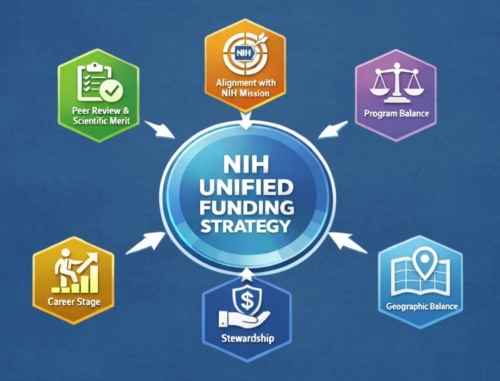
The framework for the UFS became effective during this most recent round of Advisory Council meetings. Now, all ICs follow a standard set of core tenets to make funding decisions: scientific merit assessed during peer review, alignment with the NIH mission, program balance, career stage, geographic balance, and stewardship of available funds (Figure 1).
Applications still continue to undergo two levels of peer review and are discussed internally by program staff to develop funding plans before being presented to us, as Directors, for a final decision. We continue to prioritize science that asks novel or under-explored questions crucial to advancing research and ultimately improving the nation’s health.
Some ICs previously published paylines as part of their decision-making. Now, the UFS does not allow paylines. Though this may make it harder for applicants to gauge the likelihood of funding based on peer review scores alone, this strategy codifies the practice many ICs already used when making funding decisions.
Going Forward
Though each IC may implement the framework in their own way, we are all working from the same playbook:
- Posting IC profiles and funding strategies in a central location on the NIH Grants and Funding site, eliminating the time and effort investigators previously expended searching across various websites for this information.
- Communicating changes to NIH and IC programmatic priorities, funding principles, and decision factors in a clear and timely manner to ensure understanding and trust in the process
- Remaining committed to maintaining objective peer review which is central for NIH to uphold our values of transparency, impartiality, and fairness
- Informing applicants (as part of discussing with NIH program staff) when their proposals fall outside an IC’s mission
- Having IC Directors retain final funding decisions, exercising our authority in a clear, standardized framework grounded in scientific and technical merit, mission alignment, and program balance
- Internally documenting each decision for applications that will be funded, including its alignment with IC and agency priorities
We look forward to receiving your applications that reflect innovative research ideas with actionable and rigorous research plans.
Researchers should also keep in mind that NIH is simplifying and streamlining the application and funding process and focusing support toward more investigator-initiated research, as compared to seeking applications in response to solicited funding opportunities. As part of this separate effort:
- Visit our new centralized source on the NIH Grants and Funding site for IC-specific funding plans
- Check out the NIH Highlighted Topics resource to learn about various specific scientific areas that we are interested in supporting. Subscribe for weekly alerts delivered to your inbox
- Consider applying through a Parent Announcement or other broad NIH funding opportunity that aligns with your research stage (see this article for tips)
- Connect with NIH program staff regularly about your research ideas as they can help find information you seek, including eligibility requirements, appropriate grant types, and potential alignment with IC goals or wider NIH priorities
Read on below for some perspectives from our individual Institutes and Centers, in alphabetical order by IC.
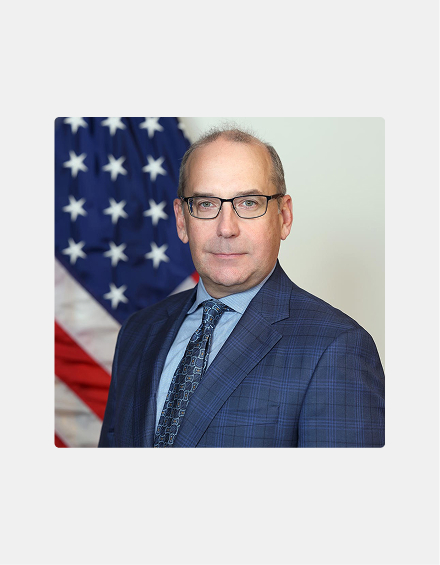
National Cancer Institute (NCI)
Anthony Letai, M.D., Ph.D., Director
“Our priority is to fund the most meritorious cancer research applications so that we may continue to make meaningful progress in preventing, treating, and surviving cancer. The UFS supports funding decisions that extend beyond paylines and take peer review input into full consideration. Reviewers and their assessments therefore remain central to our ability to identify the most promising scientific opportunities. This input helps NCI identify emerging areas of science, address critical gaps in our research portfolio, and prioritize high-impact science, further strengthening our support of innovative cancer research.
Going forward, I remain committed to hearing your perspectives and thoughtfully considering peer review assessments and funding recommendations. Through implementation of the UFS, NCI can more effectively prioritize high-impact science, respond to emerging research opportunities, and support both established researchers and, importantly, early-stage investigators. I will weigh all of these factors when approving applications with the greatest promise for success, while also considering public health needs, balance across basic, etiologic, and translational research, and alignment with Administration priorities.” – Read more on NCI’s Profile page
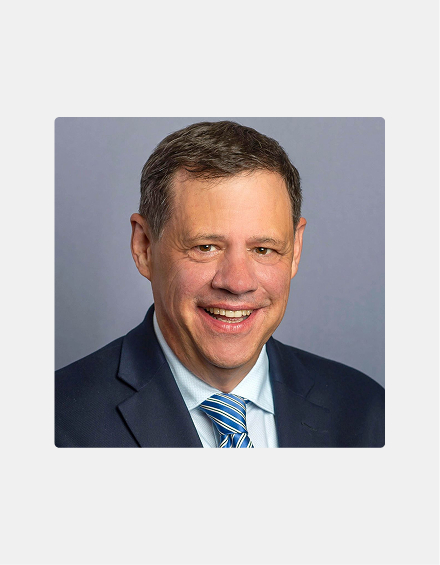
National Center for Complementary and Integrative Health (NCCIH)
David Shurtleff, Ph.D., Acting Director
“Our overall funding strategy remains fundamentally unchanged, as implementing the UFS aligns with our long-standing practices of considering investigator career stage, geographic and institutional distribution, innovation, and overall scientific merit. The UFS further enhances our ability to identify and support highly significant, innovative research that aligns closely with our scientific priorities and strategic goals.
We remain committed to investing in innovative, highly meritorious research within our mission. To this end, the UFS formalizes and broadens application eligibility while providing additional flexibility to align funding decisions more closely with evolving NCCIH and NIH-wide priorities. Importantly, peer review remains the cornerstone for assessing scientific excellence in funding decisions. We will continue to consider this expert input alongside recommendations from the NCCIH National Advisory Council and our program staff to achieve appropriate programmatic balance.” – Read more on NCCIH’s Profile Page
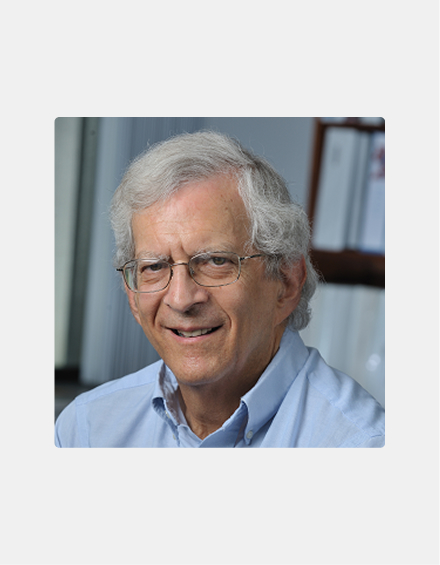
National Institute on Aging (NIA)
Richard Hodes, M.D., Director
“As we move forward, we will continue to develop annual award plans that sustain a broad and vibrant aging-research ecosystem, adhering to NIH-wide UFS principles of consistency, financial stewardship, and transparency. We remain committed to supporting investigator-initiated science, early stage investigators, and emerging and high-priority research areas. These NIA priorities will be balanced with existing portfolio commitments and the availability of funds.
We seek meritorious and innovative ideas that advance our priority aging research areas and especially address scientific gaps in Alzheimer’s disease, HIV and aging, palliative care, the exposome, related research infrastructure, and other research areas such as biology of aging, behavioral and social research, and clinical geriatrics.” – Read more on NIA’s Profile Page
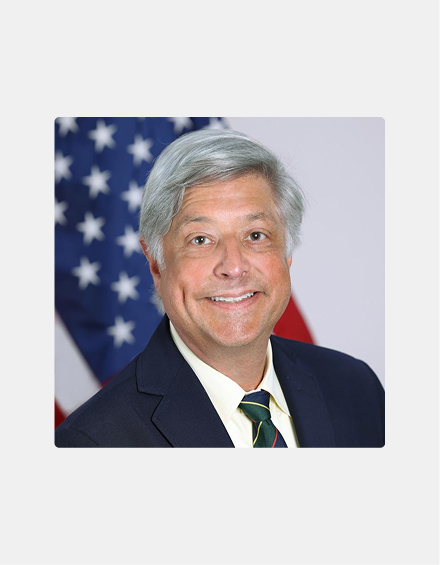
National Institute of Allergy and Infectious Diseases (NIAID)
Jeffery Taubenberger, M.D., Ph.D., Acting Director
“We are committed to integrating the UFS principles into NIAID’s new vision that refocuses attention on two research pillars: infectious diseases and immunology/allergy. Such a focus should open wider areas for research into the challenges most relevant to keeping Americans healthy today and rebuilding public trust. We will evaluate all grant applications to ensure fairness, accuracy, and transparency—not using paylines. Our process reflects thoughtful feedback from our expert program staff and focuses on scientific impact, relevance to Department, Agency, and Institute priorities, research gaps, peer review outcomes, and investigator career stage.” – Read more on NIAID’s Profile Page
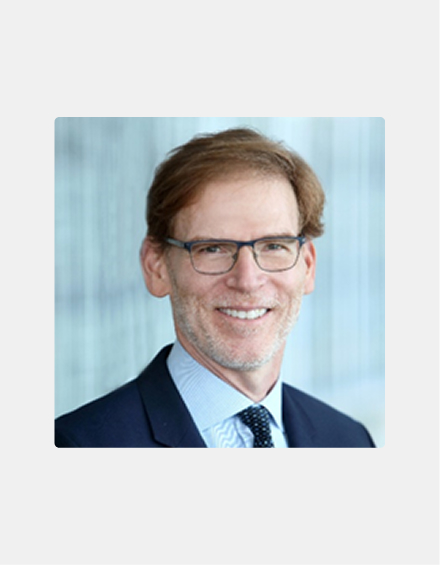
National Institute of Biomedical Imaging and Bioengineering (NIBIB)
Bruce Tromberg, Ph.D., Director
“With UFS, we will continue partnering with the biomedical imaging and bioengineering community to identify opportunities and priorities that advance our unique technology development mission. As research in this rapidly evolving field accelerates, the broader criteria afforded by UFS will enable us to respond more effectively to emerging opportunities and strategic partnerships that drive growth in critical areas. We remain firmly committed to rigorous peer review as a cornerstone of our process, complemented by programmatic considerations (including select pay), and Council review.” – Read more on NIBIB’s Profile Page
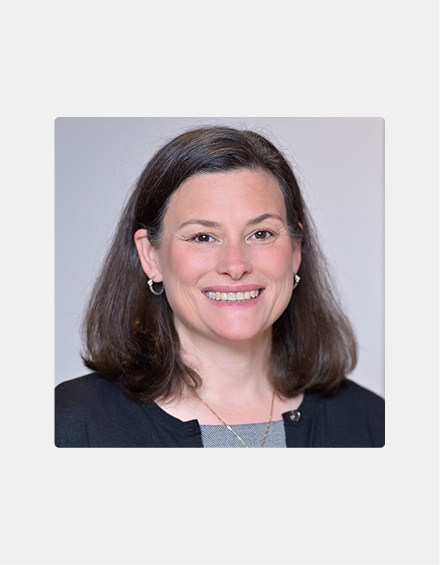
National Institute of Child Health and Human Development (NICHD)
Alison Cernich, Ph.D., Acting Director
“The NICHD mission remains the same. The UFS will provide additional flexibility for our decision-making process (which already moved away from paylines), allowing us to assess applications in alignment with our strategic plan, research priorities, and training needs. Furthermore, our staff continues to exercise discretion when recommending applications to me for funding consideration.
We continue to welcome, encourage, and support investigator-initiated applications that help advance our mission goals with a particular focus on female-specific conditions, maternal health, pediatrics, and research that benefits people with disabilities. We depend on investigators to bring forward their most innovative, cutting-edge research to push science forward and address emerging public health issues, just as we always have.” – Read more on NICHD’s Profile Page

National Institute of Dental and Craniofacial Research (NIDCR)
Jennifer Webster-Cyriaque, D.D.S., Ph.D., Acting Director
“The UFS strengthens NIDCR’s ability to support innovative, high-impact research within our holistic, mission-driven approach. We will continue our long-standing practice of making funding decisions based on scientific merit, programmatic relevance, and portfolio considerations, rather than a payline. While peer review remains foundational, looking beyond scores and/or percentiles allows us to emphasize potential significance, creativity, and alignment with dental, oral, and craniofacial health priorities. This flexibility is especially valuable for emerging, interdisciplinary, and early-stage research with the potential to drive transformative advances. Importantly, and in response to concerns we have heard, we are committed to ensuring that our processes remain transparent, clear, consistent, fair, and grounded in scientific merit.” – Read more on NIDCR’s Profile Page
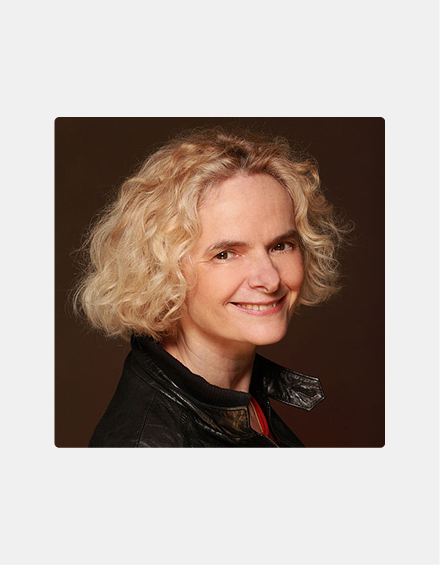
National Institute on Drug Abuse (NIDA)
Nora Volkow, M.D., Director
“NIDA’s implementation of the UFS aligns closely with our historic funding approach that always used the full peer-review context alongside programmatic priorities and scientific merit to guide award decisions. This framework formalizes what has long been essential to our mission: supporting the most compelling science wherever it appears, across career stages, institutions, and communities.
It aligns with and reinforces our emphasis on flexibility rather than numerical cutoffs like paylines. We will continue to support highly innovative, high-impact research including early-stage, cross-disciplinary, and translational projects that may not always be captured by scores alone. This approach has been central to our success in advancing substance use prevention, substance use disorder treatment, and a robust digital portfolio with expedited translation from bench to bedside.” – Read more on NIDA’s Profile Page
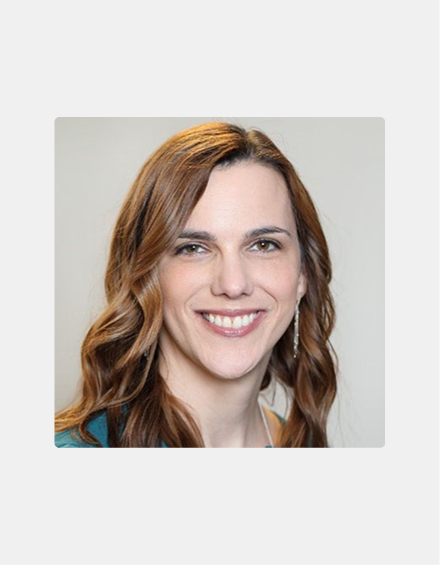
National Institute of General Medical Sciences (NIGMS)
Erica Brown, Ph.D., Acting Director
“The UFS is completely consistent with NIGMS’ current funding philosophy and practices. Our funding approach supports a broad portfolio of high-merit research while also considering mission priorities, portfolio balance, investigator status and support levels, geographic distribution of supported institutions, and responsible stewardship of limited resources. These policies have enabled us to build a strong track record of supporting high-quality research aligned with our mission while broadening the pool of supported investigators and the geographic and institutional distribution of NIH funding. Going forward, we will continue to consider a range of factors in our funding determinations.” – Read more on NIGMS' Profile Page

National Institute of Mental Health (NIMH)
Andrea Beckel-Mitchener, Ph.D., Acting Director
“NIMH will continue with our mission to support research to prevent, treat, and cure mental disorders as outlined in our strategic plan. We have traditionally relied on a combination of factors in addition to reviewing priority scores to make funding decisions. Therefore, NIH’s UFS aligns with how NIMH has historically made funding decisions. We do not anticipate large changes in our process and will continue to make funding decisions by taking into account several factors in addition to priority score. NIMH remains committed to addressing mental disorders and understanding complex behaviors through our support of fundamental science within our mission, improving clinical outcomes, and maximizing public health impact.” – Read more on NIMH's Profile Page

National Institute on Minority Health and Health Disparities (NIMHD)
Monica Webb Hooper, Ph.D., Acting Director
“This new strategy further validates our valued principles to prioritize scientific merit within the context of mission alignment and portfolio balance. NIMHD will consider a broad range of meritorious applications without paylines. We are focused on supporting applications that demonstrate strong potential to innovate intervention science or shift paradigms, ensuring our portfolio is not just descriptive but transformative.
We place special emphasis on intervention studies and observational research that offer novel insights, validated biomedical or health outcomes, as well as clear, actionable steps with precise descriptors to address and reduce key drivers of disparities. This is especially important as we prioritize interventions and population implementation—scaling evidence-based strategies to function effectively in real-world community settings.” – Read more on NIMHD's Profile Page
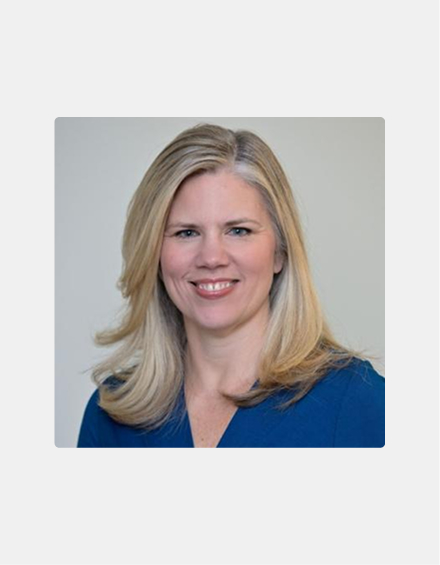
National Institute of Neurological Disorders and Stroke (NINDS)
Amy Bany Adams, Ph.D., Acting Director
“We are confident that through our planned approach for the UFS, NINDS will optimize the taxpayers’ investment in neuroscience to maximize the impact and accelerate the pace of discovery.
As we transition to the new UFS, NINDS’s research priorities and policies will remain transparent. We will no longer use a funding strategy based on payline (the percentile score of applications reviewed). Rather, our funding decisions will be based on scientific merit as assessed by peer review, informed by considerations of programmatic merit and financial stewardship. To preserve the overall health of the research enterprise and the future of the neuroscience workforce, we prioritize supporting as many investigators as possible, robustly funding early career researchers and applying greater stringency when considering applications with high total costs per year or from well-funded investigators. We recognize the challenges of the funding environment and continue to consider bridge funding for certain circumstances.
In addition to the ongoing targeted clinical and translational programs we support, we remain committed to supporting fundamental discovery in neuroscience research through our portfolio of basic and disease-focused discovery research, as well as efforts to develop neurotechnologies that empower hypothesis-driven research.” – Read more on NINDS' Profile Page

National Institute of Nursing Research (NINR)
Courtney Aklin, Ph.D., Acting Director
“Rigorous, high-impact nursing science will continue to be cultivated and complemented through NINR’s implementation of the strategy. This means a strong and sustainable research community will continue being supported, including investigators at earlier career stages. It also reinforces our approach to maintain a balanced, mission-aligned portfolio, with an emphasis on collaboration, coordination, and partnerships across NIH. Such shared investment across NIH leads to impact. All of these considerations underscore the importance of clear communication about how the UFS aligns with, rather than replaces, NINR’s established funding practices.” – Read more on NINR's Profile Page